A Beginner’s Guide to Dental Crowns Southgate CA
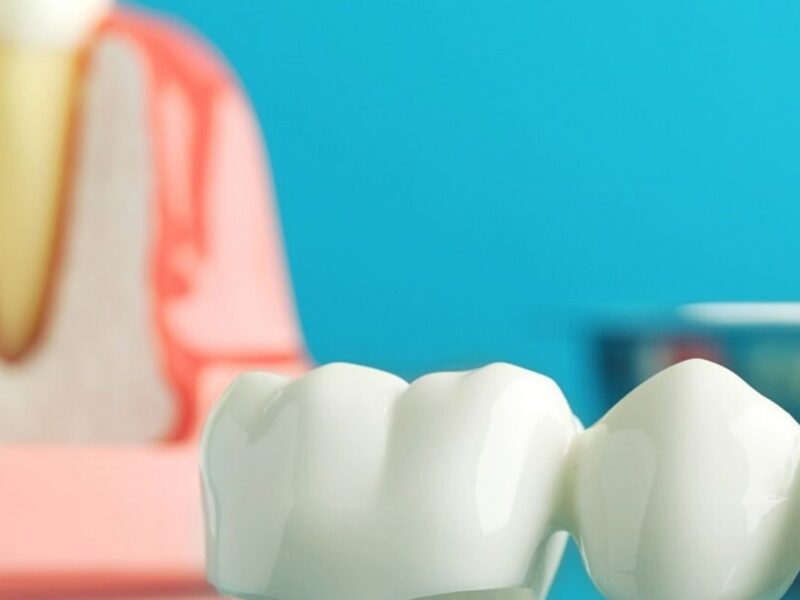

If your dentist has mentioned a crown, you are not alone. Few treatments confuse patients more than this one, partly because the word sounds serious and partly because people often picture something much bigger than it really is. A dental crown is, at its core, a custom-made cover that fits over a damaged or weakened tooth. Its job is to restore strength, shape, and function while helping the tooth look natural again.
For patients searching for Dental Crowns Southgate CA, the practical questions tend to be the same. Does a crown mean the tooth is beyond saving? Will it hurt? How long will it last? Is every crown the same, or are some better for front teeth than back teeth? Those are sensible questions, and the answers depend on the condition of the tooth, your bite, your habits, and your long-term goals.
Crowns are common because they solve a very common problem. Teeth crack. Fillings wear out. Cavities can undermine so much structure that a regular filling no longer offers enough support. A root canal can save a tooth from extraction, but that tooth may then need reinforcement. In many of these cases, a crown is not an aggressive treatment. It is often the treatment that keeps a fragile tooth in service for years.
What a dental crown actually does
A healthy tooth has a hard outer shell and an internal structure strong enough to handle chewing pressure. Once decay, fracture, or heavy wear removes too much of that structure, the tooth may flex or break under routine use. A crown acts like a protective shell around the prepared tooth, redistributing force and reducing the risk of further damage.
That protection matters most on molars and premolars, where chewing forces are highest. A small front tooth chip might do well with bonding, but a back tooth with a large old filling and a crack line often needs something more durable. This is where experience matters. Dentists do not place crowns simply because a tooth is imperfect. They recommend crowns when the remaining tooth no longer has enough predictable strength.
A useful way to think about it is this: a filling repairs a part of the tooth, while a crown rebuilds and protects most of the visible portion above the gumline. That distinction helps explain why crowns cost more than fillings but also why they can be the wiser long-term choice in the right case.
When a crown is usually recommended
The decision is not based on one rule. It is a blend of tooth anatomy, damage level, bite force, and prognosis. A tooth with a small cavity may need only a filling. A tooth with deep fracture lines, repeated repairs, or post-root-canal brittleness often needs more support.
Here are some common situations where a crown is recommended:
- A tooth has a very large cavity or filling and not enough healthy structure remains.
- A tooth is cracked, worn down, or weakened from grinding.
- A root canal has been completed and the tooth needs protection.
- A dental implant needs a visible, functional tooth placed on top.
- The tooth is misshapen or badly discolored and simpler cosmetic options are not enough.
Sometimes the need is obvious. A patient bites on a hard seed, feels a sharp crack, and suddenly cannot chew on one side. Other times it is more subtle. Someone comes in saying, “I have a tooth that feels fine most days, but every now and then I get a zing when I bite.” On exam, the tooth may show a hidden crack or a compromised filling with leakage underneath. Those are the moments when a crown shifts from optional to prudent.
Crowns are not all the same
Patients often assume there is one standard crown. In reality, there are several materials, each with strengths and trade-offs. The best option depends on where the tooth is, how much force it handles, whether you grind your teeth, and how important exact color matching is.
Porcelain or ceramic crowns are popular because they can look very natural. For front teeth, where translucency and color blending matter, they are often an excellent choice. Modern ceramics are also strong enough for many back teeth, though not every ceramic performs the same way.
Porcelain fused to metal crowns have been used for many years. They combine strength with a tooth-colored exterior, but in some cases the underlying metal can affect the final appearance or become visible near the gumline over time.
Metal and gold alloy crowns remain among the most durable choices, particularly Dental Crowns Southgate CA for heavy biters and hard-working molars. They are not popular for visible teeth for obvious cosmetic reasons, but from a purely functional standpoint, they often perform extremely well and can require less tooth reduction.
Zirconia crowns have become especially common because they offer a strong balance of durability and esthetics. They are frequently chosen for back teeth and for patients who want a tooth-colored restoration that can tolerate significant chewing force. That said, material selection is not a popularity contest. The ideal crown for one patient can be the wrong one for another.
What the appointment process usually looks like
The traditional crown process often takes two visits. At the first visit, the tooth is numbed, any decay or weak structure is removed, and the tooth is shaped so the final crown can fit precisely. This shaping is called preparation. Impressions or digital scans are then taken and sent to a dental lab, where the permanent crown is fabricated. A temporary crown is placed to protect the tooth while you wait.
The second visit is for delivery. The dentist removes the temporary crown, checks the fit, contacts, bite, and appearance of the final crown, then bonds or cements it into place.
Same-day crowns are available in some offices. In those settings, digital technology allows the crown to be designed and milled in-office, often in a single appointment. This can be convenient, especially for busy patients, but same-day does not automatically mean better. Lab-fabricated crowns can offer superb customization, and certain cases benefit from a skilled technician’s detailed work. Convenience is valuable, but precision and suitability come first.
A temporary crown often causes more questions than the permanent one. It may feel a little less smooth or refined. That is normal. It is there to protect the tooth and preserve spacing, not to serve as the final masterpiece. Patients occasionally dislodge temporaries by chewing sticky candy or ignoring instructions to favor the other side. That is frustrating but fixable. The key is not to wait. A missing temporary can allow the tooth to shift, which can complicate seating the final crown.
Will it hurt?
This is usually the first question spoken out loud, even when it is not the first one on someone’s mind. In most cases, the procedure is very manageable. Local anesthetic is used to numb the area, and patients generally feel pressure, vibration, and water spray more than pain.
After the tooth is prepared, some sensitivity is possible, especially around the gumline or with temperature changes. Most people do well with ordinary over-the-counter pain relief, assuming their physician has no reason to avoid it. If the tooth was already inflamed, or if the crown prep was extensive, soreness can last a bit longer. That does not always signal a problem. Teeth and gums need time to settle.
The bite is another issue patients notice quickly. If a new crown feels high, even slightly, chewing can become uncomfortable and the tooth may feel sore. This is common and usually easy to correct with a minor adjustment. It is worth calling your dentist rather than trying to “get used to it” for weeks. A well-fitted crown should feel natural once the anesthetic wears off and the tissue calms down.
How long dental crowns tend to last
No honest dentist can promise a crown will last forever. What can be said is that many crowns last a long time, often well over a decade, and some last much longer. Longevity depends on several factors: the health of the tooth underneath, the quality of the fit, oral hygiene, diet, bite forces, and whether the patient clenches or grinds.
I have seen crowns fail early because the surrounding tooth developed new decay, not Dental Crowns Southgate CA because the crown material broke. I have also seen older crowns still functioning after many years because the margins stayed clean, the bite remained stable, and the patient took care of them. That is a useful reminder that a crown protects a tooth, but it does not make the tooth indestructible.
Cement can wash out, crown margins can decay, porcelain can chip, and untreated grinding can shorten the lifespan of any restoration. On the other hand, patients who floss consistently, keep up with cleanings, and wear a night guard when needed often get far more years out of their crowns.
Cost, value, and what affects the price
Cost is never a trivial part of the decision. For people researching Dental Crowns Southgate CA, pricing can vary based on crown material, office technology, whether a buildup is needed, whether root canal therapy is involved, and what your dental insurance will cover. There is no single universal fee that applies to every case.
A crown may look expensive compared with a filling, but that comparison can be misleading when the tooth is already structurally compromised. Replacing a large failing filling with another large filling on a cracked tooth may cost less today and more later if the tooth splits and needs extraction, implant treatment, or a bridge. Good dentistry often involves choosing the option with the best long-term odds, not simply the lowest immediate bill.
It also helps to ask specific questions. Is the quoted fee for the crown only, or does it include the core buildup, digital imaging, temporary crown, and follow-up adjustments? If insurance is involved, ask what portion is estimated versus guaranteed. Patients are often calmer when they understand the financial details before treatment starts.
How to know whether you need a crown or a filling
This is one of the most important conversations to have with your dentist, and it deserves more than a rushed explanation. The decision comes down to how much healthy tooth remains and whether that tooth can reliably support a direct restoration.
A small to moderate cavity surrounded by strong enamel may be ideal for a filling. A tooth with thin walls, old cracked fillings, or extensive structural loss is a different story. In those cases, a filling may act less like a repair and more like a patch on a weakening frame. It can work for a while, but its failure becomes increasingly likely.
Patients sometimes worry that a crown means the dentist is “doing more than necessary.” That concern is understandable, especially if the tooth is not causing major pain. But lack of pain does not always equal health. A tooth can be quiet and still be one biting force away from a catastrophic fracture. A good dentist should be able to show you why a crown is recommended, whether through photographs, x-rays, or a mirror view of the fracture or missing structure. If the explanation is clear and the reasoning is mechanical, not vague, that is usually a good sign.
The special case of crowns after root canal treatment
Root canal therapy removes infected or inflamed tissue from inside the tooth and saves the root structure. That is often a very good thing. But after a root canal, especially on a back tooth, the tooth can become more brittle and vulnerable to fracture. The issue is not that the root canal weakens every tooth dramatically on its own. The issue is that teeth needing root canals often have already lost significant structure to decay, old restorations, or trauma.
That is why dentists frequently recommend a crown after root canal treatment, particularly for molars. The crown helps hold the remaining tooth together and reduces the chance of splitting under chewing pressure. If a root canal tooth is left unprotected too long, it may fracture in a way that makes it impossible to save. That is a painful and costly outcome, and it is more common than many patients realize.
Front teeth can be different. If a front tooth has enough remaining structure and does not absorb the same force as a molar, another restoration may sometimes be considered. This is one of those areas where the answer is case-specific rather than automatic.
What can go wrong, and what is usually fixable
Most crowns do well, but problems can happen. A crown can feel high. The floss contact can be too tight or too loose. The shade may not be what the patient expected. A temporary crown may come off. A prepared tooth may become sensitive. Occasionally, the nerve inside the tooth becomes irritated enough after preparation that root canal treatment is later needed.
These possibilities sound alarming on paper, but context matters. Many issues are minor and correctable with a bite adjustment, polish, or recementation. Others require more planning. A crown that repeatedly comes loose may indicate inadequate retention or underlying decay. A crown placed on a tooth with a deep crack may buy time but not permanence if the fracture extends below the gumline. Dentistry works in biology, not in perfect factory conditions. Even excellent work has variables.
That is why good treatment planning includes discussing limits, not just benefits. A crown can be the right treatment and still carry some uncertainty. Patients usually appreciate honesty far more than polished promises.
Caring for a crown so it lasts
A crown needs the same level of care as a natural tooth, and in some ways even more. The crown itself cannot decay, but the margin where it meets the tooth absolutely can.
A few habits make a real difference:
- Brush thoroughly along the gumline, especially around the edge of the crown.
- Floss daily and slide the floss gently rather than snapping it downward.
- Wear a night guard if you clench or grind in your sleep.
- Avoid chewing ice, hard candy, and similar habits that overload teeth.
- Keep regular dental visits so small margin problems are caught early.
Many crown failures begin quietly. A little plaque collects at the margin. The gum gets mildly inflamed. A cavity starts where it is hard to see. By the time symptoms appear, the repair may be more involved. Preventive care is less dramatic than treatment, but it is what preserves the work you pay for.
Questions worth asking at your consultation
A good consultation is not just about hearing a recommendation. It is your chance to understand the reasoning behind it. Ask what material is being proposed and why. Ask whether a filling, onlay, or veneer is a realistic alternative in your case, and what trade-offs those options carry. Ask how much healthy tooth remains. Ask whether your bite or grinding habits increase the risk of failure. Ask what the crown is expected to do for function, comfort, and appearance.
Patients sometimes hesitate to ask because they do not want to seem difficult. In practice, thoughtful questions are usually a sign of an engaged patient, and engaged patients tend to do better because they follow through on care and know what to expect.
If esthetics matter, especially for front teeth, bring that up early. Shade, shape, and translucency are easier to manage well when expectations are discussed before the crown is made rather than after it arrives from the lab.
Finding the right fit for Dental Crowns Southgate CA
If you are comparing offices for Dental Crowns Southgate CA, focus on communication and diagnosis as much as price. A strong dental experience is not just about the final crown. It is about whether the dentist explains the condition clearly, evaluates the bite carefully, chooses the right material for the tooth, and follows through if an adjustment is needed.
Look for an office that takes time with fit and bite. The prettiest crown in the world will not feel right if the occlusion is off. Likewise, the strongest crown can still fail if the underlying tooth was not properly assessed. Dentistry is detail work. A fraction of a millimeter matters. So does judgment.
It is also reasonable to ask about technology, but keep it in perspective. Digital scans can be more comfortable than traditional impressions. Same-day crown systems can save time. High-quality labs can produce exceptional esthetic results. None of those tools replace careful preparation, a good margin, and a clinician who understands how forces travel through a tooth.
A practical way to think about crowns
For beginners, the easiest way to understand crowns is to stop thinking of them as a last resort and start thinking of them as structural protection. They are often used not because a tooth is beyond help, but because it still has enough value to save properly. That distinction matters.
A crown is rarely the most exciting part of dental care, but it can be one of the most useful. It lets you chew comfortably, protects weakened teeth, restores form, and often prevents larger problems down the road. If your dentist has recommended one, the next best step is not to panic. It is to understand why that specific tooth needs that specific type of reinforcement, and what you can do to help the result last.
When patients understand the purpose of a crown, the treatment tends to feel much less intimidating. It becomes what it really is: a practical, time-tested way to keep a vulnerable tooth functioning in everyday life.
Simple Dental South Gate
Address: 8617 California Ave, South Gate, CA 90280
Phone number: +13236896118
FAQ About Dental Crowns Southgate CA
How much do crowns cost per tooth?
In the United States, a single dental crown typically costs between $800 and $2,500 per tooth without insurance. The ultimate out-of-pocket price depends heavily on the crown material, the location of the tooth, and whether you have dental insurance coverage.
What is the downside of crowns on teeth?
The primary downside of a dental crown is that the procedure permanently removes natural tooth enamel to shape the tooth for the cap.
Why do dentists push for crowns?
Dentists recommend crowns because a large filling cannot provide enough strength when a tooth loses a major portion of its structure or faces heavy chewing pressure.